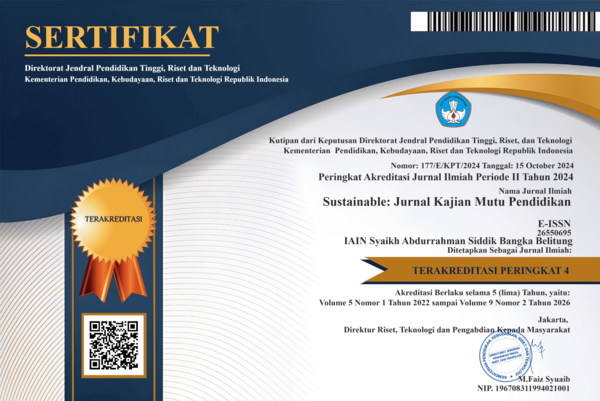
Terakreditasi SINTA 4 No. 177/E/KPT/2024

Issue Overview
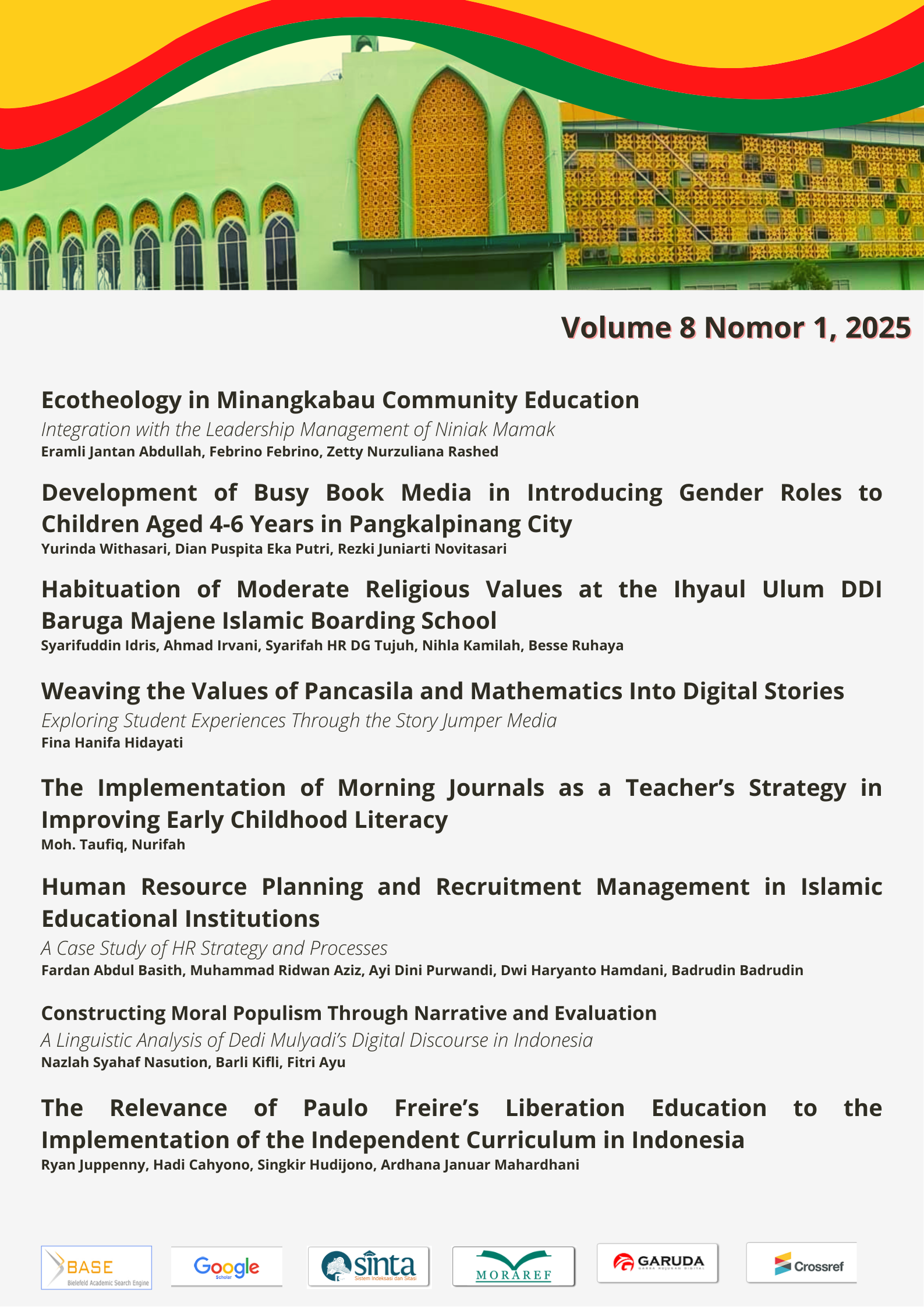
This issue presents a collection of eight studies exploring educational transformation across language learning, science education, and institutional management. Digital Transformation in Language Learning: Three studies focus on modernizing Arabic language education. One article highlights the role of Learning Management Systems (LMS) like Moodle and Google Classroom, finding that they significantly improve accessibility and interactivity, provided that teachers possess adequate digital competence. Another study reviews AI-integrated web strategies, emphasizing how technologies like chatbots and adaptive algorithms support student autonomy and personalized learning experiences. Additionally, a systematic literature review confirms that innovative strategies, including project-based learning and Total Physical Response, effectively enhance Arabic speaking skills and communicative confidence. Assessment Reforms and Interdisciplinary Curricula: In the area of assessment and curriculum design, research examines the transition to Kurikulum Merdeka in EFL classrooms, revealing a significant philosophical shift toward Learning-Oriented Assessment (LOA) and formative feedback. At the elementary level, another study demonstrates that integrating Deep Learning principles with gamified digital platforms (QuizWhizzer) substantially increases student engagement and mastery in science and social studies. Furthermore, an interdisciplinary study explores integrating climate action into English for Computer Science via Content and Language Integrated Learning (CLIL), showing that "Green Computing" topics enhance both language proficiency and ecological literacy. Psychological and Managerial Determinants: The final section addresses the internal and structural factors influencing educational success. One study identifies self-efficacy and learning styles as positive, significant predictors of the learning experience for biology education students, suggesting that psychological reinforcement is crucial for academic engagement. Meanwhile, in the context of Islamic boarding schools (pesantren), research confirms that structured learning planning and effective organizational management are key determinants in optimizing the effectiveness of traditional Kitab Kuning instruction.
Terakreditasi SINTA 4 No. 177/E/KPT/2024

.png)